Browse: Home / Hayrettin Karaman of Turky: Both a Progressive and Consersative on Islamic Views

Menu

Skip to content
  • পরিচিতি ও লক্ষ্য-উদ্দেশ্য
  • ব্লগে লেখার পদ্ধতি
  • ব্লগ ব্যবহারের নিয়মাবলী
  • আমাদের লিখুন
  • পোস্ট লেখার টিউটরিয়াল
  • সাইট ম্যাপ
Header image

Political Islam in BangladeshLogo

Political Islam in Bangladesh

Menu

Skip to content
  • সমসাময়িক চিন্তা
  • আদর্শ-মতবাদ
    • ইসলাম ও অন্যান্য মতবাদ
    • ইসলাম ও গনতন্ত্র
    • খিলাফাহ
    • ধর্মনিরপেক্ষতাবাদ
    • সমাজতন্ত্র
  • বাংলাদেশে রাজনৈতিক ইসলাম
  • মুসলিম বিশ্ব
    • আরব জাগরন
    • তিউনিশিয়া
    • তুরুস্ক
    • মিশর
  • আলোচিত-সমালোচিত
  • জাতীয় রাজনীতি
  • উসুল এবং ফিকহ প্রসঙ্গে
  • উসুল এবং ফিকহ প্রসঙ্গে
  • ওহাবিবাদ এবং সৌদি পেট্রো রিয়াল ফিতনা।
  • বাংলাদেশে ইসলামঃ জামায়াত দেওবন্দ প্রসঙ্গ
  • কানুনী সুলতান সুলায়মান (প্রথম পর্ব)

Hayrettin Karaman of Turky: Both a Progressive and Consersative on Islamic Views

Written by Mustafa Akyol on 31/01/2014 in তুরুস্ক | Views

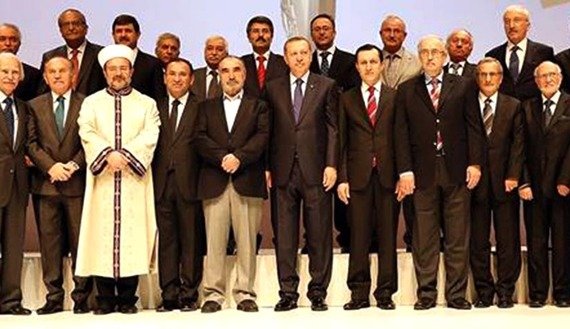
On the night of Jan. 25, Turkish Prime Minister Recep Tayyip Erdogan spoke at an Istanbul conference organized by Turkey’s Directorate of Religious Affairs. In the midst of dozens of Islamic theologians and clerics, he condemned “false prophets” in a thinly veiled reference to Fethullah Gulen, another Islamic scholar who Erdogan in fact used to respect. Meanwhile, he praised the scholars around him and presented them with awards. The most notable among this group was the man who posed for pictures at Erdogan’s right: Hayrettin Karaman.

This juxtaposition was no accident, for Karaman’s religious views are an important guide for Erdogan’s ruling Justice and Development Party (AKP). To make an analogy, one can even say that if the Egyptian Muslim Brotherhood has the Egyptian Islamic scholar Yusuf al-Qaradawi as its religious touchstone, the relatively more modern and progressive AKP has the relatively more modern and progressive Karaman.

Karaman is not a turban-donning cleric, but a professor emeritus of Islamic law who used to teach at the College of Theology of Marmara University in Istanbul until 2001, when he asked for early retirement in protest of the military-imposed and authoritarian secularism of the university. Since then, he has written a triweekly column in Yeni Safak, an Islamist daily newspaper and ardent supporter of the AKP government. His pieces often deal with religious issues, especially matters of jurisprudence, and is widely regarded as an authority on the topic. An argument he often repeats is that Muslims should ideally live under Islamic states, but they can live under secular states (such as Turkey) as well. They just should make sure that they live and act according to the rules and principles of Islam — in every field, including politics.

Such views are naturally shocking to Turkey’s secularists, who believe in an absolute separation between religion and politics, but one must note that Karaman has some reformist views on Islamic law that are refreshing from a liberal perspective. Over the years, for example, he has defended some unorthodox views such as that Christians and Jews can be “saved” in the afterlife, that apostasy from Islam should not be punished and that non-Muslims should be free to follow their “un-Islamic beliefs and practices” even in an Islamic state. He has also argued that the right Islamic political vision is “a world in which freedom of religion and conscience is established, and thus the choice of religion and religious life is based on genuine faith, not oppression.”

In a recent piece, Karaman also opposed the practice of stoning, noting that it does not exist in the Quran and the validity of the secondary sources that promote it is doubtful. In response, some more conservative Islamic voices (such as Cubbeli Ahmet and Fazli Kayaduman) reprimanded Karaman for such “reformist” views.

In short, Karaman’s views are often more progressive than those of more orthodox Sunni scholars. However, he has also proven too conservative on “moral” issues. When Erdogan initiated a public debate in November by saying that he would not allow “homes where girls and boys mix,” Karaman supported this idea ofmorality policing. He wrote in his Yeni Safak column that in every society, “the values of the majority” should be the basis of legislation, whereas minorities should respect these values and “refrain from using some of their freedoms.” This was widely regarded as a theoretical basis for Erdogan’s assertive moral conservatism.

More recently, another argument of Karaman’s has been a matter of controversy: his alleged fatwa on corruption.

This rumor — that Karaman gave a religious blessing of corruption — began circulating in the social media after the corruption probe began to investigate certain members of the AKP government on Dec. 17. Word had it that Karaman gave the green light for the government to “encourage” the businessmen who won state contracts to make donations to certain charitable foundations that, not surprisingly, have ties to the government.

In response, Karaman wrote a column Dec. 27 titled “No fatwa can be given to corruption.” He denied the rumors that Erdogan personally asked him whether “taking commissions in state contracts” is permissible. Yet, he went on to say, “But many others asked me, ‘Is there any problem if we encourage the people who win contracts from the state and make a profit to make donations to charitable foundations?’ Here is what I said to them: ‘If these people who you encourage to make donations are Muslims and would not have made these donations unless you demanded it of them, … they will not earn the [divine] blessing for it. But, assuming that it is written and transparent, charitable foundations can benefit from such donations.’”

In other words, Karaman saw no problem in the government’s “encouragement” of certain businesspeople to make donations to specific foundations. (One of these foundations, apparently, is TURGEV, a foundation directed by Erdogan’s son Bilal Erdogan, who recently announced that he is ready to speak to prosecutors about the corruption charges.)

So was Karaman’s view a “fatwa for corruption?” Probably not. But was it blank check for something ethically questionable? Well, that is up to you. Just make sure to note that Karaman is a very authoritative voice on all such matters, and one should follow his writings closely to understand the inner logic of the AKP circles.

[NB: The original Title was “Erdogan counts on Karaman’s Islamic counsel” and it had been changed here intentionally to emphasize on the progressive views of  Hayrettin Karaman]

Source:http://www.al-monitor.com/pulse/originals/2014/01/erdogan-karaman-counsel.html?utm_source=dlvr.it&utm_medium=twitter#ixzz2rwIjrIHl

Next
Next
Posted in তুরুস্ক | Tagged AKP, Karaman, Stoning, Turkey

About the Author

Mustafa Akyol

Related Posts

The rise of the Turkish President Erdoğan→

Can Turkey’s secularists defeat Erdogan?→

What you should know about Turkey’s AKP-Gulen conflict→

Future of political Islam: lessons from Turkey, Egypt (Political Islam from protest to governing)→

Search

রেজিষ্ট্রেশন

  • Register
  • Log in

নোটিশ বোর্ড

  • নোটিশ-১
    প্রিয় ব্লগার ! কন্ট্রিবিউটর হিসেবে নিয়মিত লিখতে হলে পোস্ট করুন এবং নিক থাকলে নাম পরিবর্তন করে নিন কেননা IMBD ব্লগ 'নিক' নামে লেখা প্রকাশ করেনা।এতে কোন ধরনের ট্যাকনিকাল সাহায্য লাগলে আমাদের সাথে যোগাযোগ করুন।
  • নোটিশ- ২
    ব্লগিং:
    ব্লগে প্রকাশিত লেখার দায়ভার সম্পূর্নভাবে লেখকের।IMBD ব্লগ যেকোন মতের লেখকের লেখা স্বাধীনভাবে প্রকাশের সুযোগ করে দিতে বদ্ধপরিকর।লেখকরের মতামত কোনভাবেই ব্লগ কর্তৃপক্ষের মতামত নয়। মন্তব্যকারীর মন্তব্যও সংস্লিষ্ট ব্যক্তির, তবে অশ্লীল, কুরুচিপূর্ন ও আক্রমনাত্বক মন্তব্য মুছে দেয়া হবে।

Featured

  • অপরাধ ও অর্থ পাচারে বিদেশীরা, অবৈধ বসবাসকারী ১২ লাখের বেশী

    28/03/2016 / IMBD Blog
  • শরিয়াহঃ ইবনে তাইমিয়া প্রসঙ্গে আলাপ

    01/10/2015 / KHANDAKER RAQUIB
  • কাওমি মাদ্রাসা: ব্যক্তির স্বাধীনতা বনাম রাষ্ট্রের রাজনীতি

    07/01/2014 / Aziz Monir
  • হায়দ্রাবাদ থেকে সিকিম হয়ে বাংলাদেশ:নেহেরু ডকট্রিন ও আজকের বাস্তবতা

    02/01/2014 / IMBD Blog

সর্বশেষ মন্তব্য

  • দিয়া উদ্দিন রাকিব on মধ্যপ্রাচ্যের নতুন মানচিত্রইসলামী আন্দোলনের আত্মত্যাগ: বালাকোট থেকে…
  • pakhie on মধ্যপ্রাচ্যের নতুন মানচিত্রpakhie.com শুধুমাত্র একটি প্ল্যাটফর্ম নয়…
  • pakhie on মধ্যপ্রাচ্যের নতুন মানচিত্রমধ্যপ্রাচ্যের বাংলাদেশি
  • সময় মাহমুদ on ‘বুদ্ধিবৃত্তির নতুন বিন্যাস’: আহমদ ছফা কী চান?সমাজতন্ত্র কে পুজিবাদী রাষ্ট্র ব্যবস্থার…
  • cialis 20 mg daily on উসুল এবং ফিকহ প্রসঙ্গে[…] where to order e…
  • are tadalafil tablets 20mg from india safe on ওহাবিবাদ এবং সৌদি পেট্রো রিয়াল ফিতনা।[…] order tadalafil 20mg online…
  • viagra effects on male on রাজনীতির সাথে মুসলমানদের সম্পর্ক -শায়খ ড. জাসের…[…] how to use sildenafil…
  • men on viagra videos on উসুল এবং ফিকহ প্রসঙ্গে[…] 100mg sildenafil tablets […]
  • men viagra on Erbakan and Milli Görüş[…] do male pornstars use…
  • sildenafil citrate tablets 100mg canada on কানুনী সুলতান সুলায়মান (প্রথম পর্ব)[…] sildenafil citrate tablets 100mg…
  • indian viagra tablets on আগামীর দিন ইসলামের[…] sildenafil 25mg tablets […]
  • tablet viagra on Islamism: Contested Perspectives on Political Islam[…] does male viagra work…
  • sildenafil 25 mg tablet on আরাফাতের ময়দানে তুরস্কের সাবেক প্রধানমন্ত্রী প্রফেসর ডঃ…[…] 100 million viagra tablets…
  • viagra tablet image on বাংলাদেশে ইসলামঃ জামায়াত দেওবন্দ প্রসঙ্গ[…] sildenafil 50 mg tablet…
  • young men taking viagra on উসুল এবং ফিকহ প্রসঙ্গে[…] viagra 100mg tablet images…
  • men viagra pills on ওহাবিবাদ এবং সৌদি পেট্রো রিয়াল ফিতনা।[…] viagra tablet for womens…
  • cialis canada on রাজনীতির সাথে মুসলমানদের সম্পর্ক -শায়খ ড. জাসের…[…] non prescription cialis […]
  • cialis lilly on উসুল এবং ফিকহ প্রসঙ্গে[…] cialis 5mg daily […]
  • where to buy cialis on Erbakan and Milli Görüş[…] canadian generic cialis […]
  • buying generic cialis online safe on কানুনী সুলতান সুলায়মান (প্রথম পর্ব)[…] cialis online […]

ক্যাটাগরি

  • অর্থনীতি (7)
  • আইন-আদালত-বিচার (13)
    • মানবতাবিরোধী বিচার (9)
    • মানবাধিকার (2)
  • আদর্শ-মতবাদ (58)
    • ইসলাম ও অন্যান্য মতবাদ (13)
    • ইসলাম ও গনতন্ত্র (1)
    • ইসলামী রাষ্ট্র (29)
    • খিলাফাহ (2)
    • ধর্মনিরপেক্ষতাবাদ (2)
  • আন্তর্জাতিক অঙ্গনে বাংলাদেশ (2)
  • আন্তর্জাতিক ইস্যু (12)
  • আলোচিত-সমালোচিত (18)
  • ইসলাম ও শরীয়াহ (40)
    • ইসলামী আইন (1)
    • ধর্ম ও আধ্যাত্মিকতা (14)
    • ফতওয়া (1)
    • মুসলিম ইতিহাস (9)
    • মুসলিম দর্শন (4)
  • উপমহাদেশ (2)
  • ছাত্র রাজনীতি (22)
    • ছাত্র মজলিশ (2)
    • ছাত্র শিবির (18)
  • জাতীয় রাজনীতি (52)
    • আওয়ামীলিগ (4)
    • জামায়াত (36)
    • বিএনপি (3)
  • জামায়াতের ইতিহাস (11)
  • দুর্নীতি ও কর্পোরেট (1)
  • নারী অধিকার (18)
  • প্রতিবেশী ও সীমান্ত (14)
  • বই পরিচিতি (13)
  • বাংলা সাহিত্য (10)
    • কবিতা-কাব্য (3)
    • বাংলা সাহিত্যের ইতিহাস (3)
    • ভাষা ও ভাষা আন্দোলন (1)
  • বাংলাদেশ (12)
    • রাষ্ট্রীয় নীতি পর্যালোচনা (3)
    • রাষ্ট্রীয়-প্রশাসনিক সন্ত্রাস (4)
    • সমাজ ও সামাজিক পরিবর্তন (3)
  • বাংলাদেশে রাজনৈতিক ইসলাম (60)
    • ইসলামী ঐক্যজোট ও কওমী ধারা (2)
    • কর্মপন্থা-কৌশল পর্যালোচনা (24)
    • খেলাফত মজলিশ (1)
    • জমিয়তে উলামায়ে ইসলাম (1)
    • জামায়াত ইসলামী (16)
    • হিজবুত তাহরির (1)
  • বাংলার ইতিহাস (14)
    • বাংলাদেশঃ৭২-৭৫ (3)
    • স্বাধীনতাঃ১৯৭১ (10)
  • বিজ্ঞান ও প্রযুক্তি (3)
  • ব্যক্তি ও চিন্তা (41)
    • তারিক রামাদান ও তার চিন্তা (3)
    • ফাতেউল্লাহ গুলেন ও তার চিন্তা (4)
    • মাওলানা মওদুদী ও তার চিন্তা (4)
    • শায়খ ইউসুফ কারাদাওয়ী ও তার চিন্তা (4)
    • শায়খ রাশীদ ঘানুসি ও তার চিন্তা (4)
    • সাক্ষতকার (5)
  • ব্লগিং (39)
  • মুসলিম বিশ্ব (43)
    • আরব জাগরন (1)
    • তিউনিশিয়া (4)
    • তুরুস্ক (21)
    • পাকিস্তান (5)
    • মালয়শিয়া (2)
    • মিশর (2)
  • শিক্ষা ও সাংস্কৃতিক আন্দোলন (6)
    • ইসলামী গান (2)
  • সংগৃহীত লেখা (1)
  • সংস্কার আন্দোলন (5)
  • সমসাময়িক চিন্তা (24)
  • সামাজিক-সাংস্কৃতিক আন্দোলন (10)
    • হেফাজতে ইসলাম (4)
July 2026
M T W T F S S
« Jul    
 12345
6789101112
13141516171819
20212223242526
2728293031  

আর্কাইভ

টুইটারে follow করুন

Follow @imbdblog

copyright ©2026 আইএমবিডি ব্লগ | ব্লগে প্রকাশিত লেখার দায়ভার সম্পূর্নভাবে লেখকের। লেখকের মতামত কোনভাবেই ব্লগ কর্তৃপক্ষের মতামত নয়।

Menu